
 RESERVATIONS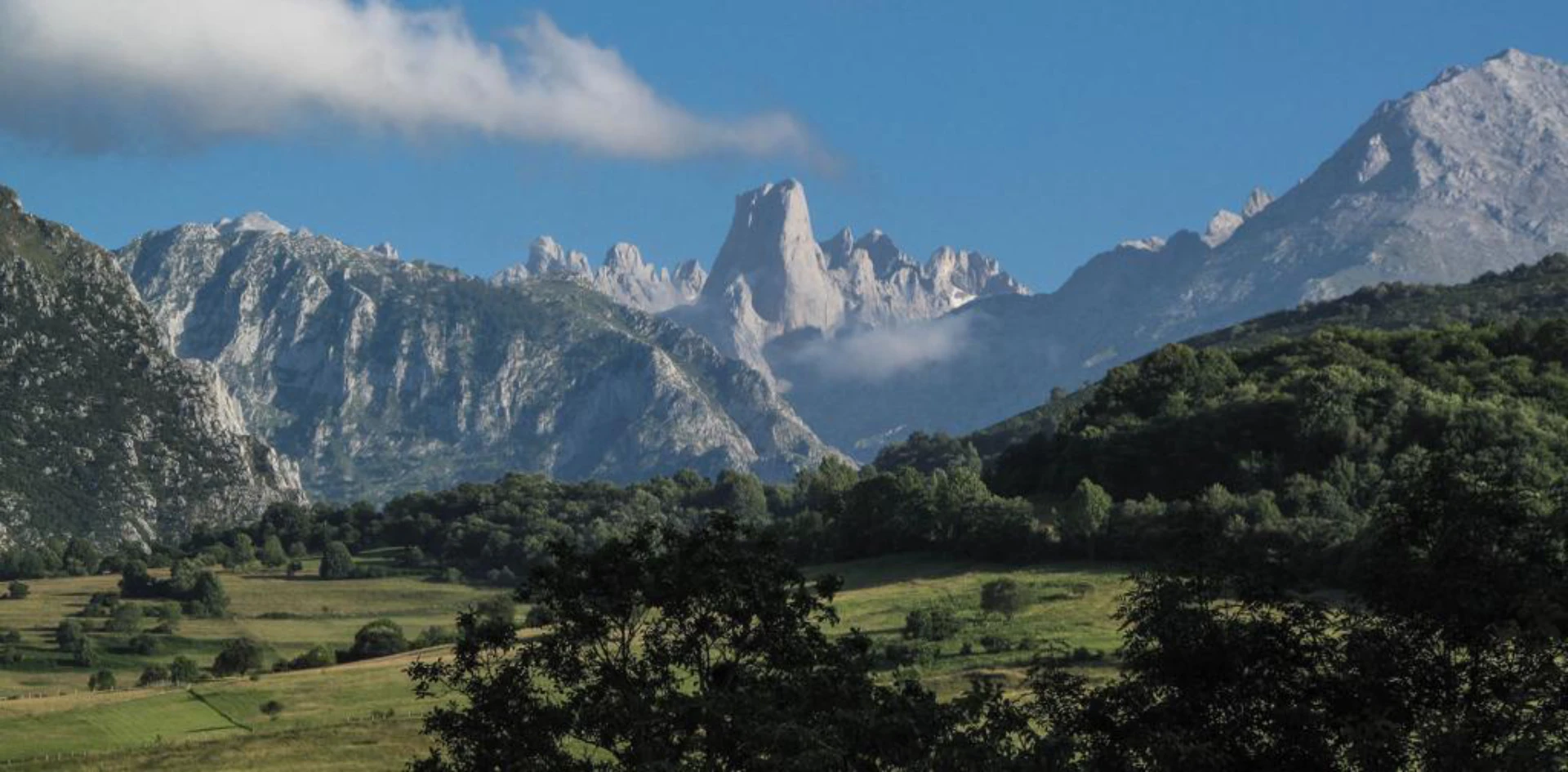
Discover our surroundings
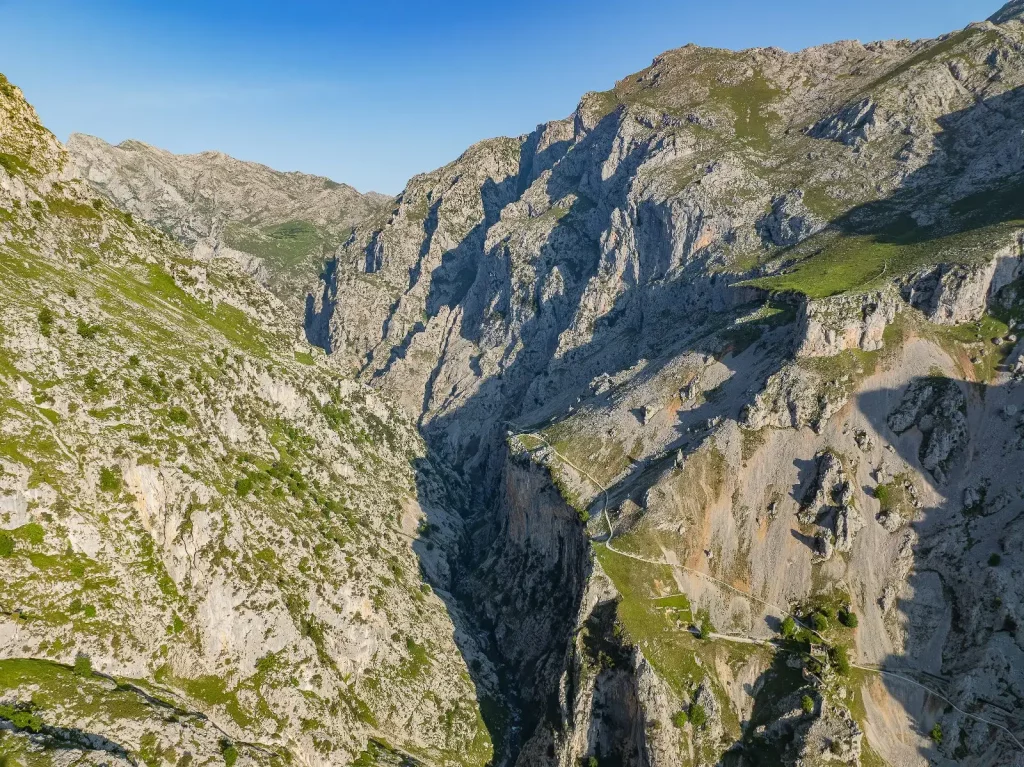
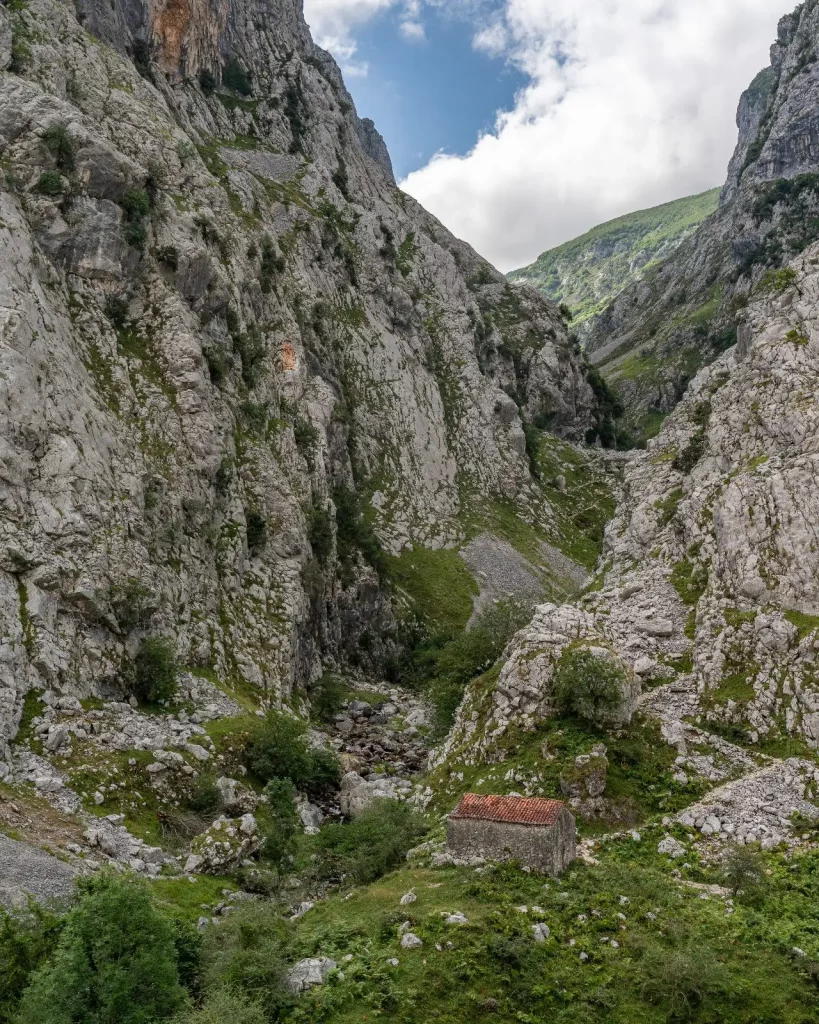
Ascent to Bulnes
The route starts in the village of Poncebos and crosses the River Cares to enter the spectacular Canal del Tejo, which takes us to the village of Bulnes in approximately 2 hours. We can also use the funicular railway in some sections.
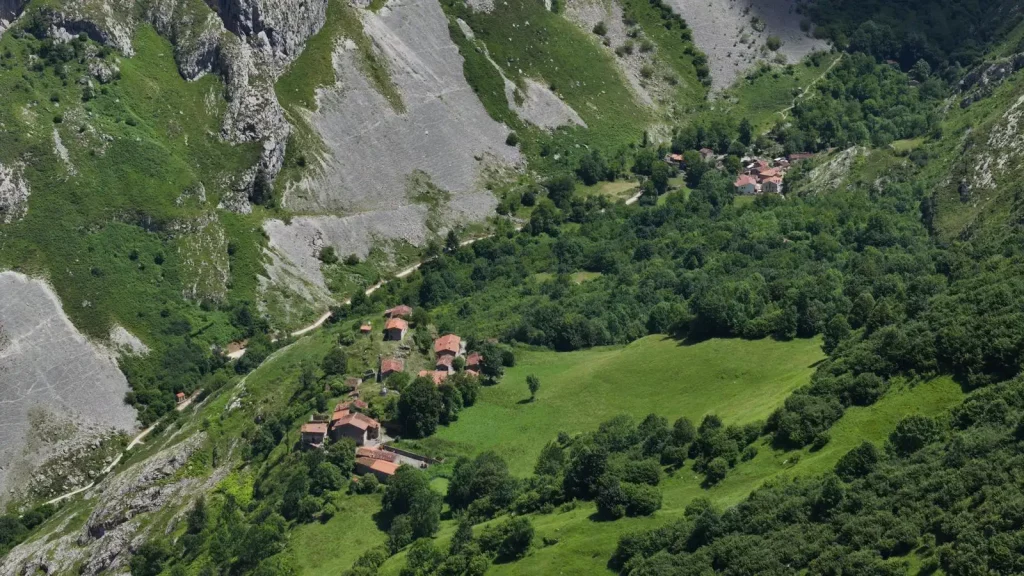
Sotres – Collado Pandebano – Bulnes – Poncebos
The route begins in the beautiful village of Sotres, from where we will head towards Collado de Pandebano (magnificent viewpoint of Naranjo de Bulnes). From there, we will begin the descent to the village of Bulnes and continue on to Poncebos, either by funicular railway or via the impressive Canal de Tejo.
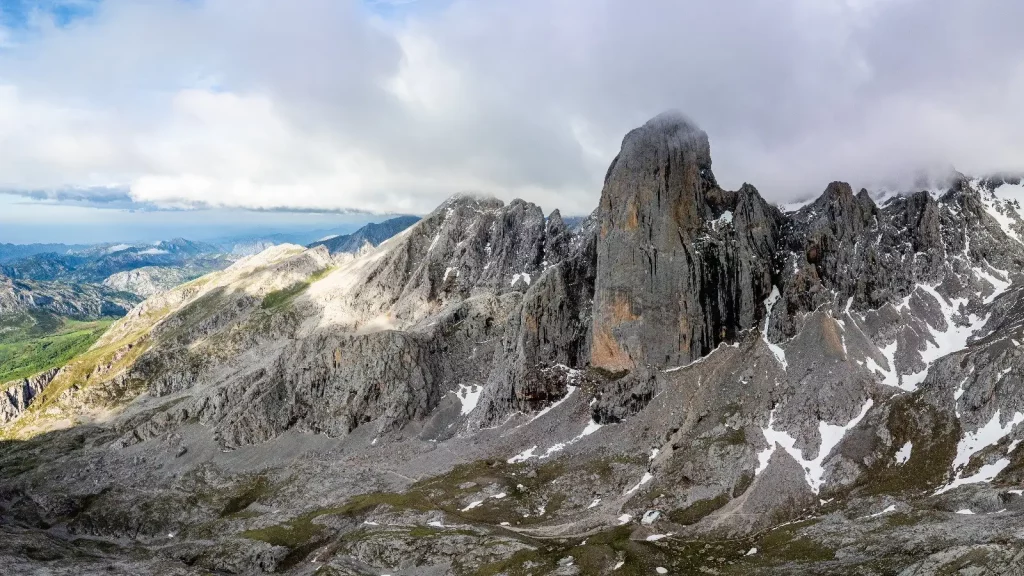
Ascent to the Naranjo de Bulnes refuge (Picu Urriellu)
To start the route, you need to go up to the village of Sotres. Before reaching it, take the track that goes down to Invernales del Tejo. Here the track forks; the right fork goes up to Pandébano, where we will leave the vehicle and start walking. We will ascend on the right to reach the Terenosa sheepfold. There, the wide path that leads to Urriellu begins. Cross Cuesta Sierra diagonally, above Monte La Varera; shortly afterwards, you will reach Collau Valleju, from where you can enjoy a magnificent view of Picu Urriellu or Naranjo de Bulnes. The path zigzags up to Vega de Urriellu, where you will find the refuge of the same name.
Featured route
Circular Route Campsite
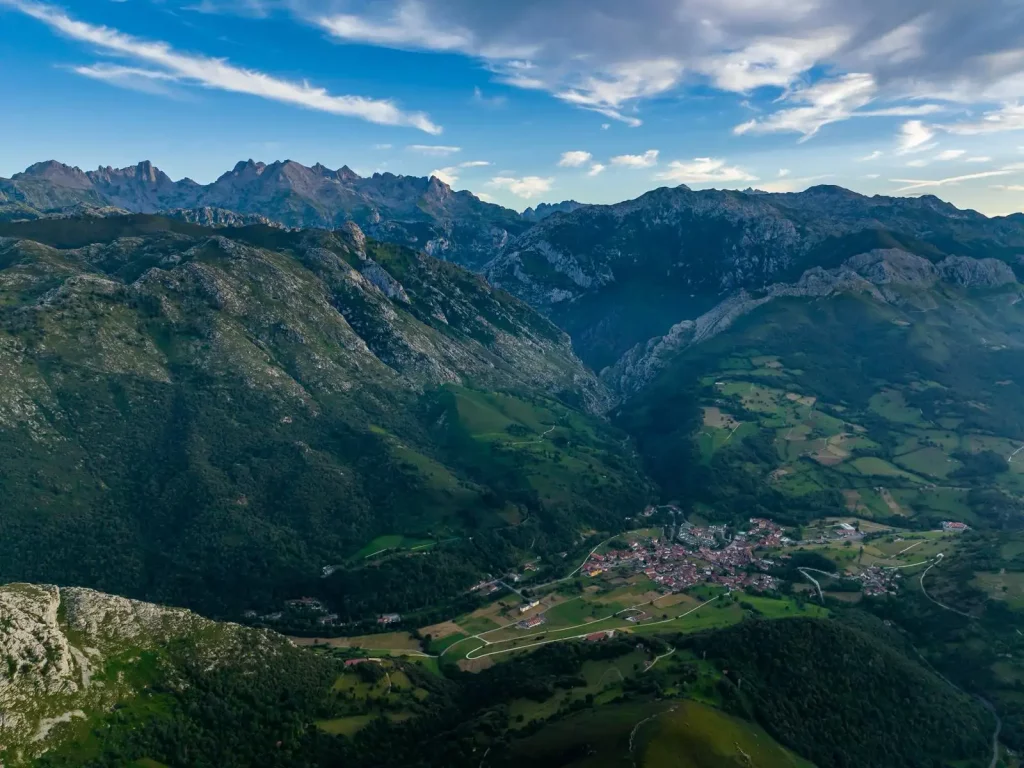
We leave the campsite in the direction of Arenas, and at the Valdelabarca bridge we head north until we join the path that crosses the forest. We take a detour to the left towards Nava, where we continue along a track that takes us to the village of Arenas.

Duration 2 hours

Moderate Difficulty

Good path
Description
Circular Route Campsite.
- Duration: 2 hours.
- Moderate difficulty.
- Good trail.
Route description
We leave the campsite in the direction of Arenas, and at the Valdelabarca bridge we head north until we join the path that crosses the forest. We take a detour to the left towards Nava, where we continue along a track that takes us to the village of Arenas.
Basic safety rules
General precautions
- Try to familiarise yourself in advance with the environment in which you will be travelling.
- Do not go to the mountains alone. The minimum recommended group size is THREE people.
- Plan your activity with adequate information (maps, books, etc.).
- Do not start late and plan your schedule with a safety margin.
- Let someone know where you are going.
- Check the weather conditions.
- Ensure you bring the appropriate equipment for the activity and take care of it.
- Do not overestimate your abilities. Choose an activity that matches your physical and technical level.
- If you are unsure, hire a professional guide.
- Carry a mobile phone or radio on the REMER network (146.175 MHz) and check the battery beforehand.
- Join one of the mountain clubs where you will learn how to navigate the environment and techniques to increase your safety.
- Learn first aid skills.
- If you are not in the right frame of mind or are not feeling up to it, do not undertake activities of a certain technical complexity.
- Maintain adequate physical fitness. In the event of unforeseen circumstances, you will need to use all your physical capacity to deal with them.
- Always include a torch, waterproof jacket and thermal blanket in your kit, even if good weather is forecast and you do not plan to finish at night.
- Remember that you have to survive on your own until help arrives.
Precautions in ravines
- Correctly identify escape routes from the ravine in case of accident or flooding.
- A reliable weather forecast is essential.
- In the event that there are dams at the top of our activity, please enquire about opening hours.
- There is usually no mobile phone coverage in the ravines, so the activity should not be carried out by fewer than THREE people. In the event of an accident, while one person goes to raise the alarm, the others should assist the victim.
- Wear insulated clothing (neoprene) and in summer carry a long-sleeved top in your rucksack. Wear insulated clothing (neoprene) and in summer carry a long-sleeved top in your rucksack.
- Wear appropriate footwear, bring a jacket, helmet, harness, anchor ropes and descender, as well as a knife and whistle.
- The rope should be twice as long as the steepest rappel in the ravine.
- We will carry an auxiliary rope in the bag for rescue situations.
- Check anchor points before abseiling.
- Carry installation equipment (chisel, spits, plates and cords) in our kit in case we need to replace damaged anchors.
- Do not jump into pools of water without ensuring that there are no obstacles or dangerous currents. To do this, the first person should always abseil down.
- Establish a code of signals among group members to communicate over the noise created by the water current.
In the event of an accident, please notify us.
- Call the emergency services (telephone 112) or notify the Civil Guard Rescue Group (telephone 062) with the following information:
- What has happened?
- When did it happen?
- Where did it happen?
- The condition of the victim.
- The most accurate location possible
- Weather in the area
- Personnel available to assist the Rescue Group
- Available material
- Provide all the telephone numbers of the staff who are with the victim so that they can be contacted.
- Protect the victim and provide first aid.
- If you are going to use the helicopter, clear the area of any objects that could fly away and get caught in the rotor.
- First and foremost, PATIENCE. For those waiting for help, time will pass slowly, while for the Rescue Group, it will pass quickly.
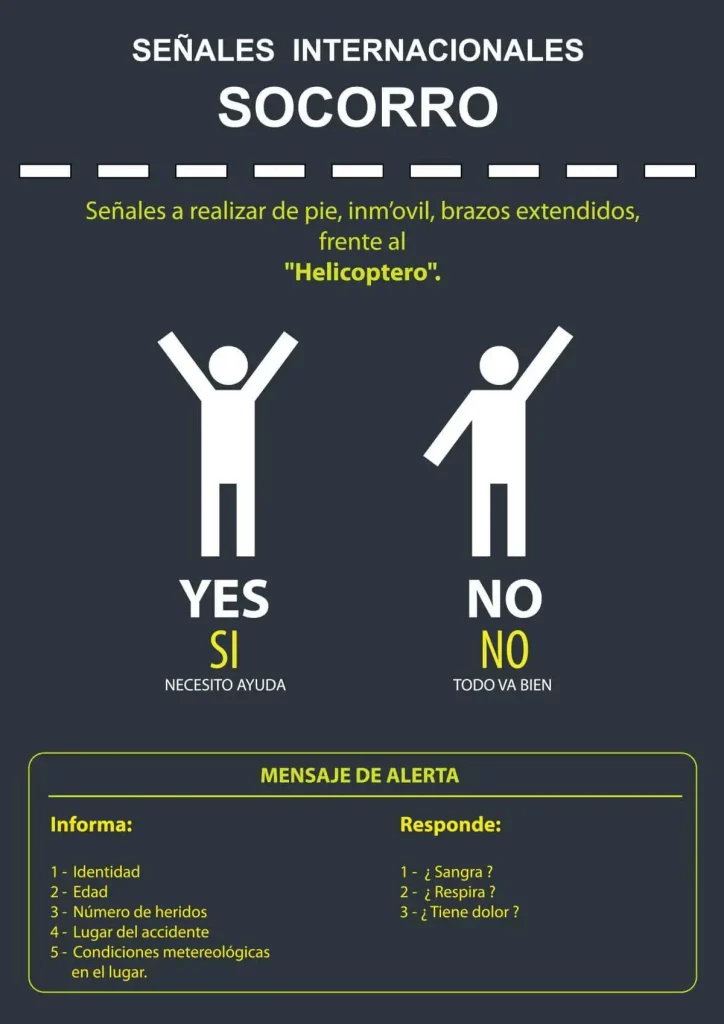
Signals to the helicopter
We should always carry a reflective vest in our rucksack so that we can be seen if we need help.
Both arms raised: YES, I need help
One arm raised and one arm down: NO, I do not need help
Featured route
Pozo de la Oración Viewpoint
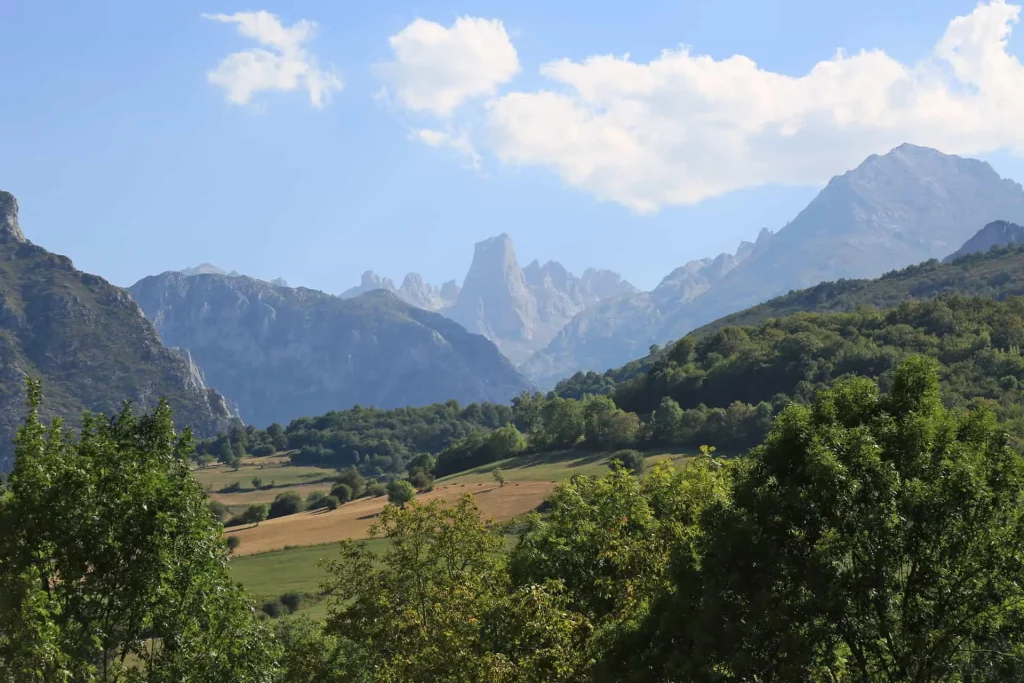
We will leave the campsite in the direction of Arenas at the bridge that crosses the Casaño River. We will take a track that will lead us to the village of Poo de Cabrales. Once there, we will take the path parallel to the river and arrive at the “Pozo de la Oración” viewpoint, where you can enjoy the wonderful view of the “Naranjo de Bulnes or Picu Urriellu”.
Duration 1 hour
Low difficulty
Good path
Description
Pozo de la Oración Viewpoint
- Duration: 1 hour.
- Low difficulty.
- Good trail.
Route description
We will leave the campsite in the direction of Arenas at the bridge that crosses the Casaño River. We will take a track that will lead us to the village of Poo de Cabrales. Once there, we will take the path parallel to the river and arrive at the “Pozo de la Oración” viewpoint, where you can enjoy the wonderful view of the “Naranjo de Bulnes or Picu Urriellu”.
Basic safety rules
General precautions
- Try to familiarise yourself in advance with the environment in which you will be travelling.
- Do not go to the mountains alone. The minimum recommended group size is THREE people.
- Plan your activity with adequate information (maps, books, etc.).
- Do not start late and plan your schedule with a safety margin.
- Let someone know where you are going.
- Check the weather conditions.
- Ensure you bring the appropriate equipment for the activity and take care of it.
- Do not overestimate your abilities. Choose an activity that matches your physical and technical level.
- If you are unsure, hire a professional guide.
- Carry a mobile phone or radio on the REMER network (146.175 MHz) and check the battery beforehand.
- Join one of the mountain clubs where you will learn how to navigate the environment and techniques to increase your safety.
- Learn first aid skills.
- If you are not in the right frame of mind or are not feeling up to it, do not undertake activities of a certain technical complexity.
- Maintain adequate physical fitness. In the event of unforeseen circumstances, you will need to use all your physical capacity to deal with them.
- Always include a torch, waterproof jacket and thermal blanket in your kit, even if good weather is forecast and you do not plan to finish at night.
- Remember that you have to survive on your own until help arrives.
Precautions in ravines
- Correctly identify escape routes from the ravine in case of accident or flooding.
- A reliable weather forecast is essential.
- In the event that there are dams at the top of our activity, please enquire about opening hours.
- There is usually no mobile phone coverage in the ravines, so the activity should not be carried out by fewer than THREE people. In the event of an accident, while one person goes to raise the alarm, the others should assist the victim.
- Wear insulated clothing (neoprene) and in summer carry a long-sleeved top in your rucksack. Wear insulated clothing (neoprene) and in summer carry a long-sleeved top in your rucksack.
- Wear appropriate footwear, bring a jacket, helmet, harness, anchor ropes and descender, as well as a knife and whistle.
- The rope should be twice as long as the steepest rappel in the ravine.
- We will carry an auxiliary rope in the bag for rescue situations.
- Check anchor points before abseiling.
- Carry installation equipment (chisel, spits, plates and cords) in our kit in case we need to replace damaged anchors.
- Do not jump into pools of water without ensuring that there are no obstacles or dangerous currents. To do this, the first person should always abseil down.
- Establish a code of signals among group members to communicate over the noise created by the water current.
In the event of an accident, please notify us.
- Call the emergency services (telephone 112) or notify the Civil Guard Rescue Group (telephone 062) with the following information:
- What has happened?
- When did it happen?
- Where did it happen?
- The condition of the victim.
- The most accurate location possible
- Weather in the area
- Personnel available to assist the Rescue Group
- Available material
- Provide all the telephone numbers of the staff who are with the victim so that they can be contacted.
- Protect the victim and provide first aid.
- If you are going to use the helicopter, clear the area of any objects that could fly away and get caught in the rotor.
- First and foremost, PATIENCE. For those waiting for help, time will pass slowly, while for the Rescue Group, it will pass quickly.
Signals to the helicopter
We should always carry a reflective vest in our rucksack so that we can be seen if we need help.
Both arms raised: YES, I need help
One arm raised and one arm down: NO, I do not need help
Featured route
Arenas – Invernales de Vanu – Arenas
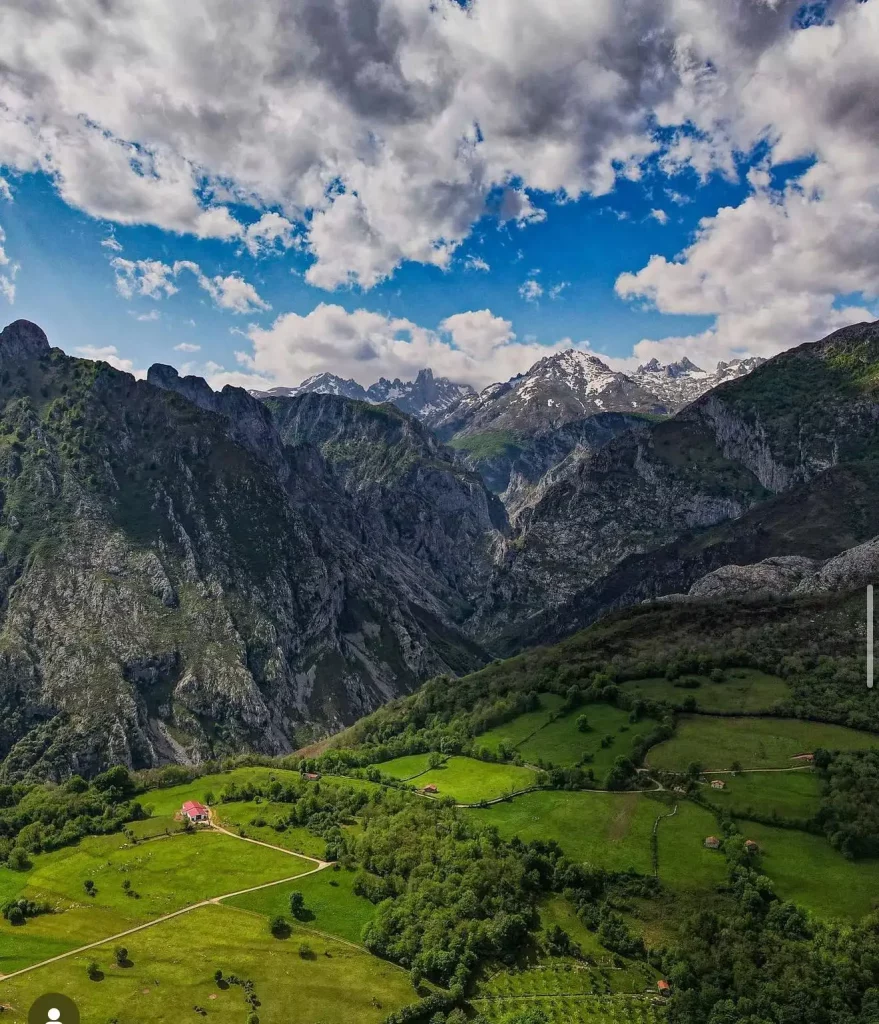
This is a short walk that starts in the village of Arenas and heads south. After crossing the Casaño Bridge and before crossing the Cares Bridge, there is a path on the right that leads into a forest of oak and chestnut trees. The path climbs parallel to the Poncebos road and the Cares River, offering beautiful views of Arenas and Portudera. After an hour of easy climbing, without leaving the track, we reach the Vanu winter pastures, where a small recreational area has been built offering magnificent panoramic views of Picu Urriellu or Naranjo de Bulnes. We continue along the path and begin to descend towards the Muniama huts, which, according to tradition, were the origin of the villages of Arenas and Poo. We continue downhill through the area known as Dejesu until we reach a path that will take us to the right to the village of Arenas.
Duration 2 hours
Low difficulty
Description
This route is classified as a “Walking Route”.
- Access: The route begins in Arenas and ends in Arenas.
- Difficulty: Low
- Elevation gain: 200 metres
- Approximate duration: 2 hours
Route description
It is a short walk that starts in the village of Arenas and heads towards Poncebos.
After crossing the Casaño bridge, and before crossing the Cares bridge, we find a path on the right that leads into a mixed forest.
The path climbs parallel to the Poncebos road and the Cares River, from where we will have beautiful views of Arenas and Portudera.
After an hour of comfortable climbing without leaving the trail, we reached the Banu winter lodges, which offer magnificent panoramic views of Naranjo de Bulnes.
We continued on our way and began to descend towards some huts known as Muniama, which were the origin of the villages of Arenas and Poo.
We continue downhill through the area known as Dejesu until we reach a path that will take us to the right towards the village of Arenas.
Basic safety rules
General precautions
- Try to familiarise yourself in advance with the environment in which you will be travelling.
- Do not go to the mountains alone. The minimum recommended group size is THREE people.
- Plan your activity with adequate information (maps, books, etc.).
- Do not start late and plan your schedule with a safety margin.
- Let someone know where you are going.
- Check the weather conditions.
- Ensure you bring the appropriate equipment for the activity and take care of it.
- Do not overestimate your abilities. Choose an activity that matches your physical and technical level.
- If you are unsure, hire a professional guide.
- Carry a mobile phone or radio on the REMER network (146.175 MHz) and check the battery beforehand.
- Join one of the mountain clubs where you will learn how to navigate the environment and techniques to increase your safety.
- Learn first aid skills.
- If you are not in the right frame of mind or are not feeling up to it, do not undertake activities of a certain technical complexity.
- Maintain adequate physical fitness. In the event of unforeseen circumstances, you will need to use all your physical capacity to deal with them.
- Always include a torch, waterproof jacket and thermal blanket in your kit, even if good weather is forecast and you do not plan to finish at night.
- Remember that you have to survive on your own until help arrives.
Precautions in ravines
- Correctly identify escape routes from the ravine in case of accident or flooding.
- A reliable weather forecast is essential.
- In the event that there are dams at the top of our activity, please enquire about opening hours.
- There is usually no mobile phone coverage in the ravines, so the activity should not be carried out by fewer than THREE people. In the event of an accident, while one person goes to raise the alarm, the others should assist the victim.
- Wear insulated clothing (neoprene) and in summer carry a long-sleeved top in your rucksack. Wear insulated clothing (neoprene) and in summer carry a long-sleeved top in your rucksack.
- Wear appropriate footwear, bring a jacket, helmet, harness, anchor ropes and descender, as well as a knife and whistle.
- The rope should be twice as long as the steepest rappel in the ravine.
- We will carry an auxiliary rope in the bag for rescue situations.
- Check anchor points before abseiling.
- Carry installation equipment (chisel, spits, plates and cords) in our kit in case we need to replace damaged anchors.
- Do not jump into pools of water without ensuring that there are no obstacles or dangerous currents. To do this, the first person should always abseil down.
- Establish a code of signals among group members to communicate over the noise created by the water current.
In the event of an accident, please notify us.
- Call the emergency services (telephone 112) or notify the Civil Guard Rescue Group (telephone 062) with the following information:
- What has happened?
- When did it happen?
- Where did it happen?
- The condition of the victim.
- The most accurate location possible
- Weather in the area
- Personnel available to assist the Rescue Group
- Available material
- Provide all the telephone numbers of the staff who are with the victim so that they can be contacted.
- Protect the victim and provide first aid.
- If you are going to use the helicopter, clear the area of any objects that could fly away and get caught in the rotor.
- First and foremost, PATIENCE. For those waiting for help, time will pass slowly, while for the Rescue Group, it will pass quickly.
Signals to the helicopter
We should always carry a reflective vest in our rucksack so that we can be seen if we need help.
Both arms raised: YES, I need help
One arm raised and one arm down: NO, I do not need help
Featured route
Nava Route
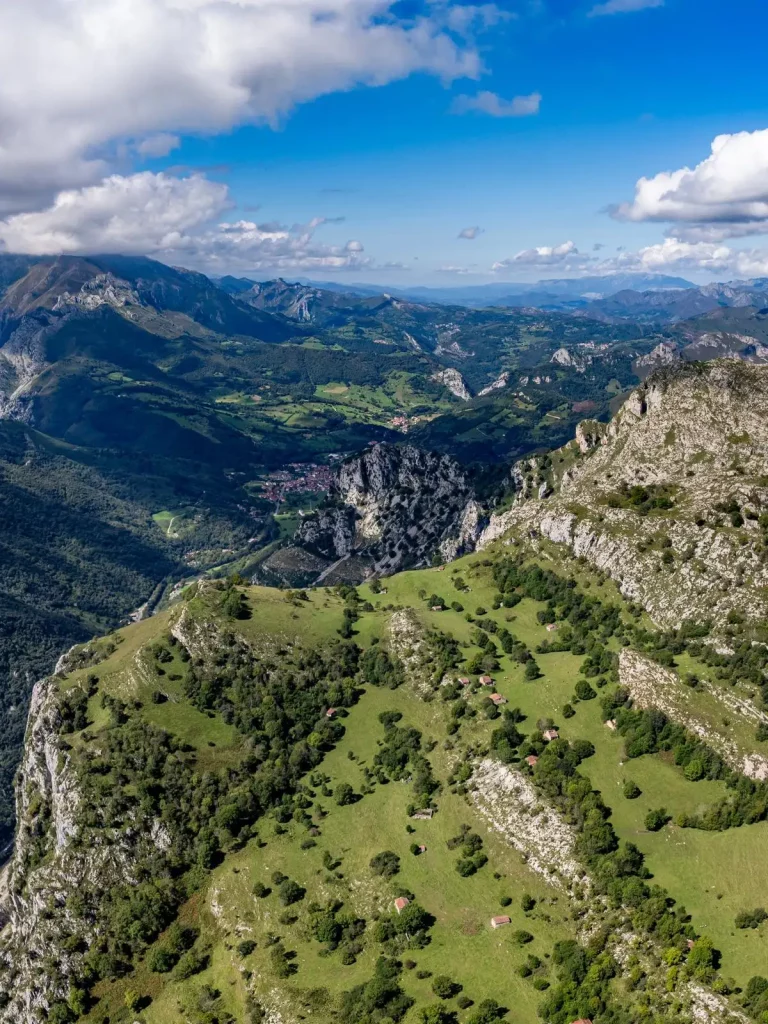
We depart from Arenas through the Jaces gate and cross the ería to reach the Boronas trail, where a forest of holm oaks and chestnut trees begins, crossed by the Vau Ranu stream, which we will cross via a concrete bridge. Fifty metres from this bridge, there is a crossroads, but we will continue straight ahead to the Naveda cabins. From here, the path runs through a thick forest of holm oaks, which we leave behind before reaching two quarries and the Costazu huts. Continuing the ascent, we come to a waterfall called Bau Guazones, and from here we begin a steep climb that takes us to the Nava meadow, where there are several springs. At its highest point, called Collau las Arnias, we can enjoy a magnificent view of the Picos de Europa. Descend via the same route.
Duration 3 hours
Moderate Difficulty
Description
This route is classified as a “Walking Route”.
- Access: The route begins in Arenas and ends in Arenas.
- Difficulty: Low
- Elevation gain: 550 metres
- Approximate duration: 4 hours
Route description
Leave Arenas through the Jaces gate and cross La Ería to reach the Boronas trail, where the forest of holm oaks and chestnut trees begins, crossed by the Baurrano stream, which you must cross via a small bridge.
About 50 metres further on, there is a crossroads; continue straight ahead and you will soon come to a spot with beautiful views of Arenas.
From here, the path winds through a forest of holm oaks and later skirts the mountain with the Cares River in the background and the Era mountain passes on the right.
We continue walking and, after crossing two rocky areas, we arrive at Costazu, where we can rest at the Rumión fountain.
Continuing the climb, you will find a small waterfall and a bridge over a stream.
Finally, after a steep climb, you will reach the Nava meadow.
At its highest point, called Collado las Arnias, you can enjoy a magnificent view of the Picos de Europa.
The descent will follow the same route.
Basic safety rules
General precautions
- Try to familiarise yourself in advance with the environment in which you will be travelling.
- Do not go to the mountains alone. The minimum recommended group size is THREE people.
- Plan your activity with adequate information (maps, books, etc.).
- Do not start late and plan your schedule with a safety margin.
- Let someone know where you are going.
- Check the weather conditions.
- Ensure you bring the appropriate equipment for the activity and take care of it.
- Do not overestimate your abilities. Choose an activity that matches your physical and technical level.
- If you are unsure, hire a professional guide.
- Carry a mobile phone or radio on the REMER network (146.175 MHz) and check the battery beforehand.
- Join one of the mountain clubs where you will learn how to navigate the environment and techniques to increase your safety.
- Learn first aid skills.
- If you are not in the right frame of mind or are not feeling up to it, do not undertake activities of a certain technical complexity.
- Maintain adequate physical fitness. In the event of unforeseen circumstances, you will need to use all your physical capacity to deal with them.
- Always include a torch, waterproof jacket and thermal blanket in your kit, even if good weather is forecast and you do not plan to finish at night.
- Remember that you have to survive on your own until help arrives.
Precautions in ravines
- Correctly identify escape routes from the ravine in case of accident or flooding.
- A reliable weather forecast is essential.
- In the event that there are dams at the top of our activity, please enquire about opening hours.
- There is usually no mobile phone coverage in the ravines, so the activity should not be carried out by fewer than THREE people. In the event of an accident, while one person goes to raise the alarm, the others should assist the victim.
- Wear insulated clothing (neoprene) and in summer carry a long-sleeved top in your rucksack. Wear insulated clothing (neoprene) and in summer carry a long-sleeved top in your rucksack.
- Wear appropriate footwear, bring a jacket, helmet, harness, anchor ropes and descender, as well as a knife and whistle.
- The rope should be twice as long as the steepest rappel in the ravine.
- We will carry an auxiliary rope in the bag for rescue situations.
- Check anchor points before abseiling.
- Carry installation equipment (chisel, spits, plates and cords) in our kit in case we need to replace damaged anchors.
- Do not jump into pools of water without ensuring that there are no obstacles or dangerous currents. To do this, the first person should always abseil down.
- Establish a code of signals among group members to communicate over the noise created by the water current.
In the event of an accident, please notify us.
- Call the emergency services (telephone 112) or notify the Civil Guard Rescue Group (telephone 062) with the following information:
- What has happened?
- When did it happen?
- Where did it happen?
- The condition of the victim.
- The most accurate location possible
- Weather in the area
- Personnel available to assist the Rescue Group
- Available material
- Provide all the telephone numbers of the staff who are with the victim so that they can be contacted.
- Protect the victim and provide first aid.
- If you are going to use the helicopter, clear the area of any objects that could fly away and get caught in the rotor.
- First and foremost, PATIENCE. For those waiting for help, time will pass slowly, while for the Rescue Group, it will pass quickly.
Signals to the helicopter
We should always carry a reflective vest in our rucksack so that we can be seen if we need help.
Both arms raised: YES, I need help
One arm raised and one arm down: NO, I do not need help